

Recent Projects
Tout Quarry clifftop views with spectacular sunsets overlooking Chesil Beach Our courses take place in an inspirational environment for creativity and health, surrounded by the pure quality of air and the balance of elements sea, sky and stone.
Course overview
Our courses designed for beginners and all levels of skill run annually, and are now in their thirty-seventh year. Courses are held in the open-air, stone carving & sculpture workshop in the heart of Tout Quarry Sculpture Park & Nature Reserve and in the well equipped spacious Drill Hall Stone / Work / Space.
Our Tutors are highly experienced in selecting freshly quarried stone for individual ideas, 3D sculpture, architectural forms, relief carving, letter cutting, stone masonry; and give one-to-one tuition in the development and completion of individual work.
Working with freestone that can be carved in any direction informed by the pure quality of light throughout the day, reveals forms and surfaces that haven’t been exposed for 150 million years, creating a more powerful and visually informed work.
Portland stone, the finest of carving stones, was once an ancient sea, formed from pure sunlight interacting with calcium carbonates in sea water.
Covid 19 and social distancing Courses take place in socially distanced workshops, with reduced numbers and allocated tool sets. We have hand sanitiser, face coverings and cotton gloves, but encourage people to bring their own. Protective glasses are available for purchase.
Note: Portland Sculpture & Quarry Trust (PSQT) reserves the right to change details of course dates, and course content.
Course Dates 2024 – ONE WEEK (Monday to Friday)
Places are available unless listed as (Full) or (No Course)
Please give dates for first choice and second choice when booking.
| January | February | March | April |
| 15 – 19 | 5 – 9 | 11 – 15 | 1 – 5 |
| 22 – 26 | 19 – 23 | 25 – 29 | 15 – 19 |
| 22 – 26 | |||
| May | June | July | August |
| 6 – 10 | 3 – 7 | 1 – 5 | 5 – 9 August |
| 13 – 17 | 10 – 14 | 8 – 12 | 12 – 16 |
| 20 – 24 | 17 – 21 | 15 – 19 | 19 – 23 |
| 27 – 31 | 24 – 28 | 22 – 26 | 26 – 30 |
| 29 – 2 August | |||
| September | October | November | December |
| 2 – 6 | 7 – 11 | 4 – 8 | 2 – 6 |
| 9 – 13 | 14 – 18 | 11 – 15 | 9 – 13 |
| 16 – 20 | 21 – 25 | ||
| 23 – 27 |
Course Dates 2024 – WEEKENDS
Most Weekend Courses are 3Days — but 2Day and 1Day short Taster Sessions can be fitted into any Weekend by arrangement.
4Day Weekend Courses run over UK Bank Holidays.
Places are available unless listed as (Full) or (No Course)
Please give dates for first choice and second choice when booking.
| January | February | March | April |
| 12 – 15 | 9 – 11 | 8 – 10 | 12 – 14 |
| 26 – 28 | 23 – 25 | 15 – 17 | 26 – 28 |
| 29 – 1 April (x4Day Easter Bank Holiday) | |||
| May | June | July | August |
| 3 – 6 May (x4Day Early May Bank Holiday) | 7 – 9 | 12 – 14 | 9 – 11 |
| 17 – 19 | 21 – 23 | 19 – 21 | 16 – 18 |
| 24 – 27 (x4Day Spring Bank Holiday) | 26 – 28 | 23 – 26 (x4Day Late Summer Bank Holiday) | |
| September | October | November | December |
| 6 – 8 | 4 – 6 | 8 – 10 | 6 – 8 |
| 20 – 22 | 11 – 13 | 22 – 24 | 13 – 15 |
| 25 – 27 | 27 – 29 |
Courses are ideal for all backgrounds, inclusive diversity, levels of skill from absolute beginners to advanced, different interest groups, and for INSET and CPD for Teachers, Lecturers, Architects and Designers.
Our weekend courses give an introduction to carving and can be followed by a one-week course or longer to give a fuller experience of carving — the stones geological formation, quarry environment and working heritage.
Note: PSQT reserves the right to change details of course dates, daily times, tutor break times, course fees, course content, evening arrangements and location at Tout Quarry Sculpture Park & Nature Reserve (open air workshop with weather cover), or Stone WorkSpace at the Drill Hall (indoor carving studio with outdoor area).
One Week Course
Monday to Friday 9.30am to 5.30pm Courses are designed for beginners and all levels of skill
Monday:
-
Demonstration of tools and stone carving techniques.
-
Selection of freshly quarried stone for individual work.
-
Lifting, moving and handling stone.
-
Starting points for carving with individual tuition.
Tuesday to Thursday:
-
One to one tuition in learning skills and techniques from roughing out to fine detail for low relief and 3D carving.
Friday:
-
Finishing techniques.
-
Individual discussion on work achieved, pointers for the future.
-
Photographing work and loading into vehicles with supervision.
Thursday Evenings: Eating out (optional) overlooking the sea and sunset-The Cove House Inn,The Crab House or BBQ at the Beech Hut at Church Ope Cove
5 Days – £280
-
fees include professional tuition, use of hand carving tools and provision of freshly quarried stone either in Tout Quarry open air workshop (with weather cover), or indoors in the newly refurbished Drill Hall Stone Workspace. Please Note: there is an additional cost for powered equipment re Stone Saw, Air Tooling, Rotary Equipment / Polisher, Fork Lift Truck, Drills, Consumables, etc;
-
fees do not include travel, personal medical insurance, accommodation or food (self-catering accommodation is offered by PSQT in connection with courses).
-
reduced rates for full-time students at School, College or University and people with Unemployment Status at the time of the course taking place.
-
courses run each summer in the open air stone carving & sculpture workshop in the heart of Tout Quarry Sculpture Park & Nature Reserve. and year round in the well equipped Drill Hall Stone / Work / Space.
Covid 19 & Social Distancing
We are pleased to reassure our course participants that courses take place in socially distanced workshops with individual working spaces, reduced numbers and allocated tool sets. We have hand sanitiser, face coverings, lightweight cotton gloves and prtotective glasses available for purchase but encourage people to bring their own
* Note: Portland Sculpture & Quarry Trust (PSQT) reserves the right to change details of course dates, daily times of courses, course fees, course content, evening arrangements and location at Tout Quarry Sculpture Park & Nature Reserve (open air workshop with weather cover) or Stone / Work / Space at the Drill Hall (indoor carving studio with outdoor carving area) .
Bookings
courses run each summer in the open air stone carving & sculpture workshop in the heart of Tout Quarry Sculpture Park & Nature Reserve. and year round in the well equipped Drill Hall Stone / Work / Space.
4 Week Course
Monday to Friday 9.30am to 5.30pm
Four Weak Courses start on any Monday of our listed weeks and can run through consecutively or be taken as blocks of two weeks with a break in the middle, or as individual weeks spread over the summer months.
The courses are ideal for those who want to carve work that pursue a personal idea that needs more sustained time to develop or as an opportunity to develop specific examples of stone masonry and mouldings, carved architectural detail, letter cutting and relief carving.
We also teach clay modelling, mould making and casting techniques. If you are interested please discuss this with PSQT before booking your course, so we can deliver a course that fits with your needs.
4 Weeks – £750
-
fees include professional tuition, use of hand carving tools and provision of freshly quarried stone either in the Tout Quarry open air workshop (with weather cover), or indoors in the newly refurbished Drill Hall Stone Workspace. Please Note: there is an additional cost for powered equipment re Stone Saw, Air Tooling, Rotary Equipment / Polisher, Fork Lift Truck, Drills, Consumables, etc;
-
fees do not include travel, personal medical insurance, accommodation or food (self-catering accommodation offered by PSQT is in connection with courses only).
-
reduced rates are for full-time students at a School, College or University and people with Unemployment Status at the time of the course taking place.
-
Summer Courses May to September take place in the open air stone carving and sculpture workshop at the heart of Tout Quarry Sculpture Park & Nature Reserve. Indoor courses take place in the well equipped the Drill Hall Stone / Work / Space.
Covid 19 & Social Distancing
We are pleased to reassure our course participants that courses take place in socially distanced workshops with individual working spaces, reduced numbers and allocated tool sets. We have hand sanitiser, face coverings, lightweight cotton gloves and prtotective glasses available for purchase but encourage people to bring their own
* Note: Portland Sculpture & Quarry Trust (PSQT) reserves the right to change details of course dates, daily times of courses, course fees, course content, evening arrangements and location at Tout Quarry Sculpture Park & Nature Reserve (open air workshop with weather cover) or Stone / Work / Space at the Drill Hall (indoor carving studio with outdoor carving area) .
Bookings
Courses run each summer in the open air stone carving & sculpture workshop in the heart of Tout Quarry Sculpture Park & Nature Reserve. and year round in the well equipped Drill Hall Stone / Work / Space.
Weekend Course
2/3/ or 4 days Friday to Monday (week dependant) 9.30am to 5.30pm Courses are designed for beginners and all levels of skill
-
Weekend Courses start Friday morning at 9.30am and work through to 5.30pm each day Friday to Sunday 3Day, or Friday to Monday for 4Day Bank Holiday Weekend. If you would like to book a 2Day Course it can start on Friday or Saturday.
-
The courses provide an introductory experience of carving Portland stone, with time to achieve work mainly in relief carving, letter-cutting and fine detail. We can also offer themes such as the Green man, Gargoyles, house names, bowls, floral carving; , etc., for people who prefer a more exercise based approach.
2 day – £175 | 3 day – £200 |4 day £225
-
fees include professional tuition, use of hand carving tools and provision of freshly quarried stone either in the Tout Quarry open air workshop (with weather cover), or indoors in the newly refurbished Drill Hall Stone Workspace. Please Note: there is an additional cost for powered equipment re Stone Saw, Air Tooling, Rotary Equipment / Polisher, Fork Lift Truck, Drills, Consumables, etc;
-
fees do not include travel, personal medical insurance, accommodation or food (self-catering accommodation offered by PSQT is in connection with courses only).
-
reduced rates are for full-time students at a School, College or University and people with Unemployment Status at the time of the course taking place.
-
Summer Courses May to September take place in the open air stone carving and sculpture workshop at the heart of Tout Quarry Sculpture Park & Nature Reserve. Indoor courses take place in the well equipped the Drill Hall Stone / Work / Space.
Covid 19 & Social Distancing
We are pleased to reassure our course attendees that strict social distancing will be adhered throughout your experience with us, we have ensured that working spaces, and reduced numbers are allowing strict social distancing for all of our users.
Bookings
Courses run each summer in the open air stone carving & sculpture workshop in the heart of Tout Quarry Sculpture Park & Nature Reserve. and year round in the well equipped Drill Hall Stone / Work / Space
* Note: Portland Sculpture & Quarry Trust (PSQT) reserves the right to change details of course dates, daily times of courses, course fees, course content, evening arrangements and location at Tout Quarry Sculpture Park & Nature Reserve (open air workshop with weather cover) or Stone / Work / Space at the Drill Hall (indoor carving studio with outdoor carving area) .
Taster Day Course
Tuesday – Sunday 9.30am to 5.30pm
-
Taster Days can be booked to take place during any One Week or Weekend Course (except Monday) The course starts at 9.30am through to 5.30pm and normally takes place in the open air stone carving & sculpture workshop in the heart of Tout Quarry Sculpture Park & Nature Reserve and year round in the well equipped Drill Hall Stone|work|Space
-
The courses provide a short introductory experience, with time to achieve a finished work. We like to work with people on individual ideas that can be discussed with the course tutor when starting your course.
1 day – £75
-
fees include professional tuition, use of hand carving tools and provision of freshly quarried stone either in the Tout Quarry open air workshop (with weather cover), or indoors in the newly refurbished Drill Hall Stone Workspace. Please Note: there is an additional cost for powered equipment re Stone Saw, Air Tooling, Rotary Equipment / Polisher, Fork Lift Truck, Drills, Consumables, etc;
-
fees do not include travel, personal medical insurance, accommodation or food (self-catering accommodation offered by PSQT is in connection with courses only).
-
reduced rates are for full-time students at a School, College or University and people with Unemployment Status at the time of the course taking place.
-
Summer Courses May to September take place in the open air stone carving and sculpture workshop at the heart of Tout Quarry Sculpture Park & Nature Reserve. Indoor courses take place in the well equipped the Drill Hall Stone / Work / Space.
Covid 19 & Social Distancing
We are pleased to reassure our course attendees that strict social distancing will be adhered throughout your experience with us, we have ensured that working spaces, and reduced numbers are allowing strict social distancing for all of our users.
* Note: Portland Sculpture & Quarry Trust (PSQT) reserves the right to change details of course dates, daily times of courses, course fees, course content, evening arrangements and location at Tout Quarry Sculpture Park & Nature Reserve (open air workshop with weather cover) or Stone / Work / Space at the Drill Hall (indoor carving studio with outdoor carving area) .
Bookings
Courses run each summer in the open air stone carving & sculpture workshop in the heart of Tout Quarry Sculpture Park & Nature Reserve. and year round in the well equipped Drill Hall Stone / Work / Space
Course Vouchers
Can be purchased for any of our courses and can be personalised with a name and message and posted to an address of your choosing. After you have purchased the voucher the course date can be decided between the course participant and the Trust.
| Course Duration |
| Full Name Of Receiver |
| Email Address Of Receiver |

Hannah Sofaer studied at Goldsmiths College, Chelsea College of Art & Design before her Masters in Fine Art and Sculpture at the Royal College of Art. One of the first of 50 artists to make work during the first sculpture symposium in Tout Quarries and helped to save the quarry from further mineral extraction. She set up the stone carving courses in Tout Quarry. She is a visiting Tutor in Art Colleges / Universities and has shown work in galleries, other sculpture parks as well as one off projects such as Art By Pass. She has been commissioned to create work / public art in UK, Singapore, Northern Spain. Hannah is skilled in the selection of stone for individual ideas and has extensive knowledge of direct carving and stone carving techniques (drawing directly with tools), helping students to achieve a high standard of work. Hannah was admitted to the Freedom of the Worshipful Company of Masons in 2016. Paul Crabtree studied at Bradford Regional College of Art and Fine Art Sculpture at the Central School of Art & Design. Paul trained as a stone conservator at the British Museum where he worked with limestone and low relief carvings from the Egyptian Department and including block figures from the Duke of Northumberland’s collection. Paul has a MA in Art and Design and Education from University of London Institute of Education and also holds a Higher National Certificate (HNC) in Applied Architectural Stone Work from Weymouth College. Paul was admitted to the Freedom of the Worshipful Company of Masons in 2016.
It’s not difficult to find a nice place to stay on Portland, but it’s good to book early. PSQT offers self catering accommodation for course participants – for further details call 01305 826736 Or Contact Us for further details.
 |
 |
 |
 |
 |
 |
 |
 |
We can also assist overseas participants in booking accomodation who should call +44(0)1305 826736. Accommodation also recommended by previous students:
| Fairview, 14 Old Coastguard Cottages, Portland Bill |
|
| Old Lower Lighthouse (Bird Observatory – warden is Martin Cade) |
|
| Heights Hotel |
|
| Queen Anne House, Fortuneswell (Margaret Dunlope) |
|
| Royal Breakwater Hotel. Castletown |
|
| Portland YMCA – Red Triangle Club, Reforne |
|
Please note that we are not agents for the accommodation providers listed above. Local resources which may also help:
Bespoke Courses
We also offer art & environmental science opportunities that applies interdisciplinary approaches to rewilding our landscape and ecosystems linked to :
-
University undergraduate, postgraduate and research level students.
-
Continue Professional Development ( CPD) short courses for artist, architects, landscape / interior designers, educators,
-
Team building 1 to 2 day courses designed to stimulate creativity, cooperation and problem solving,
-
Schools and FE Colleges (external examinations GCSE / AS / A Level, national curriculum and foundation studies)
-
Community (incl. adults, young people, families, out of school activities, home learners)
Please-Contact us if you interested in courses or working with us in any areas within the website.
If you would prefer to submit your booking form manually, you can download the booking form for 2024 below
If you would prefer to fill out this information in a word document to send over to us please click the below link.














Recent News
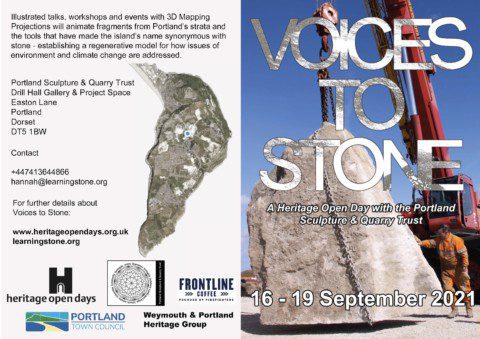
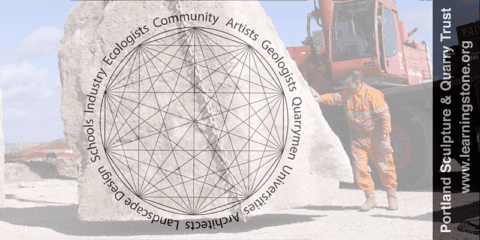
A weekend of immersive video projections, walks, talks and stone carving workshops, showcasing artist and community led regeneration’. As...
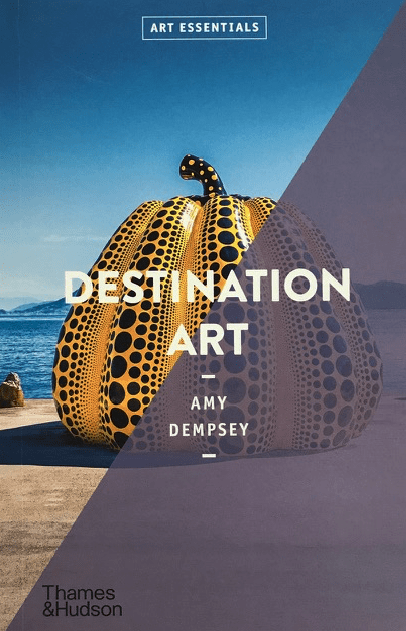
Discover some of the worlds most inspiring artworks - each unique to its place and setting, and creating a...

Courses running from May to September 2021 with Portland Sculpture & Quarry Trust

Click play below to hear the Radio Air Clip Radio Air 107.2 competition winner for the promotion of courses...

We are thankful for the support of The Armed Forces Covenant Fund Trust to provide courses ...

Features pioneering artists from the Portland Sculpture & Quarry Trust installing the Living Land Archive exhibition at the Drill...